Can a stressed skin barrier make skin look tired or dull?
Yes, it can. When the skin barrier is stressed, it holds on to less water, so skin can look tired, dull or rough and feel tight. The barrier also changes naturally over the years, holding less water and recovering more slowly, and that is simply part of being human. Gentle cleansing, steady moisture and good sun habits are the simplest ways to keep skin healthy and comfortable at every age.
This article is for anyone whose skin feels tight or dry, or looks a little tired, at any age. We believe in smart aging: caring for your skin so it's healthy and comfortable, not trying to stop the clock. You'll learn what stresses the barrier, how it changes over time, what researchers mean by inflammaging, and a calm, simple routine to support it.
What is inflammaging?
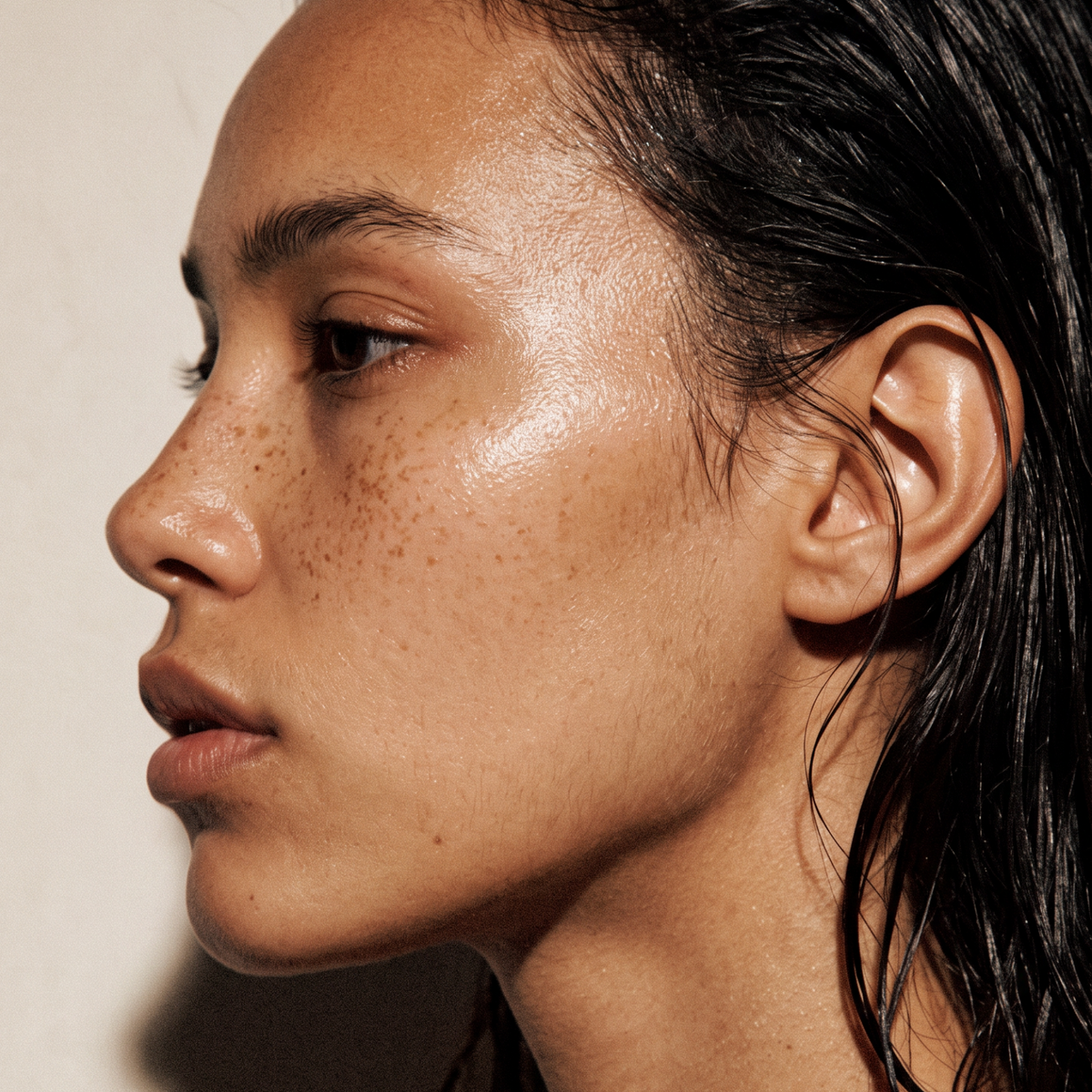
Inflammaging is a term researchers use for the chronic, low-grade inflammation that tends to rise with age. It's a research concept, not a diagnosis or a skin type.
Some researchers have proposed that an aged, drier skin barrier may add to it. In a small 2019 pilot study published in the Journal of the European Academy of Dermatology and Venereology, adults aged 58 to 95 applied a lipid-based moisturizer twice a day for 30 days. Their barrier function and skin hydration improved, and some inflammation markers in the blood went down.
This was a small pilot study, and the authors say larger trials are needed. It's an interesting direction, not a promise: no moisturizer or serum can treat inflammation in the body. If you have concerns about inflammation or a skin condition, see your healthcare provider.
What else affects skin health over time?
Many things, and some are simply yours, like your genes and the expressions that make your face your own. Lines and changes in texture are a normal part of a lived life. The Mayo Clinic notes that ultraviolet light, smoking and pollution also play a part, and those are worth looking after for your health as a whole.
| What it does | What you can do | |
|---|---|---|
| Time | Skin becomes drier and less elastic, naturally | Support moisture every day |
| Ultraviolet light | Breaks down collagen and elastin fibres | Seek shade, cover up, avoid tanning beds, and use SPF when appropriate |
| Smoking and pollution | Stress the skin and the body | Avoid smoking; cleanse gently at the end of the day |
| Dry air and harsh products | Stress the barrier | Lukewarm water, mild cleansers, fewer actives at once |
| Genes and expression | Shape how skin looks and where lines form | Embrace what's yours, and care for skin gently |
How can you support your skin barrier at every age?
Support the barrier first, then add targeted care once skin feels comfortable.
- Cleanse gently, morning and/or night, with lukewarm water and a mild cleanser. Pat dry rather than rub.
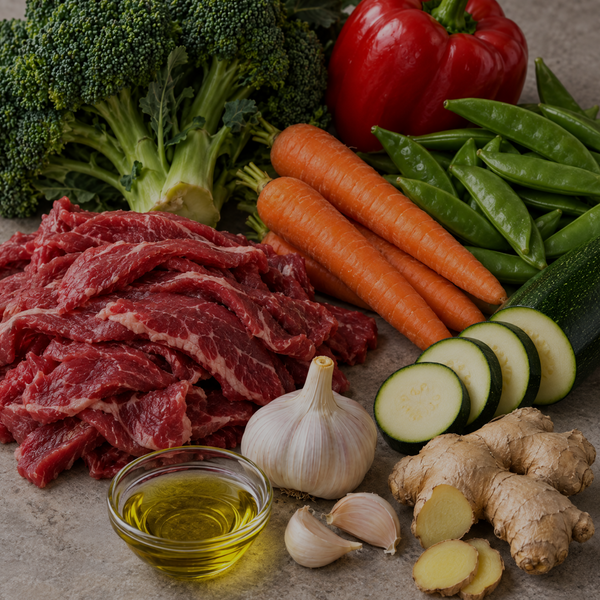
- Moisturize while skin is still damp, then seal it in with a few drops of oil. N°5 Rose Oil blends rosehip, baobab and evening primrose to nourish and soften skin that feels dry.
- Choose barrier-friendly serums. Niacinamide supports the barrier and helps even the look of tone. East 29th Vital Serum pairs it with hyaluronic acid and vitamins C and E.
- Add vitamin A slowly, and only once your skin feels settled. Osmosis Correct is a gentle retinal serum; start two or three evenings a week. Explore all of Osmosis.
- Lead with sun habits. Shade, a hat and timing matter most; use SPF when appropriate, especially with vitamin A or fruit acids.
- Make space for touch. A few minutes of facial massage with the Four-Edge Gua Sha and an oil can ease tension and leave tired-looking skin looking refreshed. The Gua Sha Guide shows how.
Be patient: the Cleveland Clinic notes that it typically takes three or four months to start seeing the benefits of barrier care. Notice how your skin feels, and adjust slowly.
Does what happens inside the body show on your skin?
It can play a part. Sleep, stress, movement and a varied diet all support the body as a whole, and the skin is part of that. Topical care still does most of the work for the barrier itself.
That is the NOURISH Pathway: outside in and inside out, each doing its own job. The NOURISH Guide goes deeper, and What Is Probiotic Skin Care? explains how the skin microbiome fits in.
Where to start

N°1 Squalane Oil
A single-ingredient, fragrance-free oil from sugar cane that helps skin hold on to moisture and supports a comfortable-feeling barrier.

Osmosis StemFactor Serum
A light, short-formula everyday serum for skin that looks tired or dull, to help it look smoother and more radiant. Patch test first. Explore all of Osmosis.

SIV Biome Balancing Serum
A light serum with Bacillus spores that works alongside your skin's microbiome, to help skin that feels stressed look calm and balanced.
FAQ
What does "leaky skin" mean?
It's an informal way of describing a skin barrier that lets water escape more easily and lets irritants in. Skin may feel tight, dry or stingy. It isn't a medical diagnosis.
Does the skin barrier change with age?
Yes, naturally. Research shows skin tends to hold less water from around age 45, and the barrier repairs itself more slowly, which is why skin often welcomes more moisture over the years.
What is inflammaging?
It's a research term for the chronic, low-grade inflammation that tends to rise with age. Scientists are studying whether the skin barrier plays a part, but the evidence is still early.
Why does my skin look tired or dull?
Often because it's low on moisture or the barrier is stressed by harsh products, dry air or too much exfoliation. Gentle cleansing, daily moisture, sleep and good sun habits help skin look and feel healthier.
Should I use retinol if my skin barrier feels stressed?
Wait until your skin feels settled. Vitamin A can cause temporary dryness, so focus on gentle cleansing and moisture first, then introduce it slowly.
When should I see a professional?
If your skin cracks, bleeds, itches persistently, or has a rash or redness that doesn't settle with gentle care, see your healthcare provider or a dermatologist.