The Skin Microbiome and Acne: Why Balance Matters
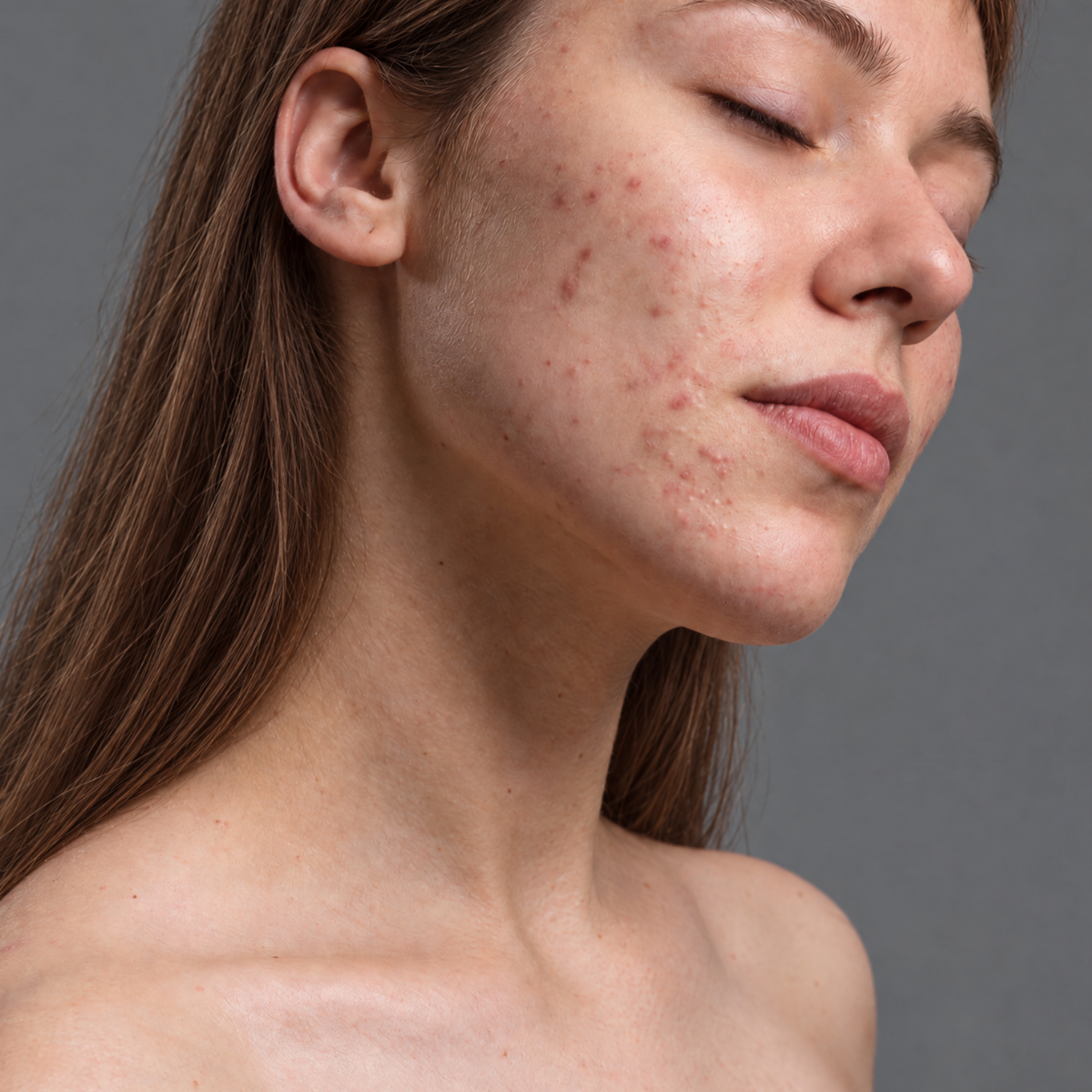
Your skin is home to a community of microbes, and the bacterium most linked with acne, Cutibacterium acnes, also lives on healthy skin. Research suggests acne is linked less with having more of it and more with a loss of microbial balance and the skin's inflammatory response. That's why gentle care that protects the skin barrier often makes more sense than stripping away oil.
This article is for anyone with breakout-prone skin who is tired of harsh routines. You'll learn what the skin microbiome is, how it relates to acne, and how to build a gentler routine that supports balance.
What is the skin microbiome?
Key takeaways
- The skin microbiome is the community of bacteria, fungi and other microbes that live on your skin.
- C. acnes is a normal resident of healthy skin, not simply a "bad" bacterium.
- People with acne don't have more C. acnes in their pores; a loss of diversity and inflammation seem to matter more.
- Harsh, stripping routines can stress the skin barrier and the microbiome with it.
- See a dermatologist for acne that is painful, cystic or persistent.
Your skin microbiome is the mix of bacteria, fungi and other microbes that live on and in your skin. Most are harmless or helpful. Together with the skin barrier, they help keep the skin's surface stable and protected.
Different areas of the body host different communities. Oily areas like the face, chest and back favour microbes that feed on sebum, the skin's natural oil.
How is the skin microbiome linked to acne?
The bacterium most associated with acne is Cutibacterium acnes (formerly Propionibacterium acnes). It lives on healthy skin and helps maintain it. A 2018 review in the Journal of the European Academy of Dermatology and Venereology notes that people with acne do not harbour more of it in their follicles than people without acne.
Instead, the review suggests that a loss of microbial diversity, together with the skin's own immune response, may lead to the inflammation seen in acne. Oil, clogged pores and hormones still play a part. It's the balance between them that matters.
This is an active area of research, and acne has several causes. Topical care can support the skin, but it isn't a substitute for medical treatment when you need it.
Why can harsh routines make breakouts feel worse?
Strong cleansers, frequent scrubbing and layering several drying actives can leave skin tight, red and irritated. They may give a short-term matte look, but they can also stress the skin barrier, and a stressed barrier is a less stable home for the microbiome.
Many people notice their skin feels calmer when they simplify (the NOURISH Guide walks through a simple routine): fewer products, gentler cleansing, and moisturizer even when the skin is oily.
How do you support a balanced skin microbiome?
- Cleanse gently, morning and/or night, with a mild cleanser and lukewarm water. Avoid scrubbing.
- Keep actives simple. If you use an exfoliant or acne treatment, introduce one at a time and follow your dermatologist's advice.
- Moisturize every day, even if your skin is oily, to support the barrier.
- Consider microbiome-friendly skin care, such as SIV Biome Balancing Serum, formulated to work alongside your skin's microbes.
- Keep tools and pillowcases clean, and avoid picking, which can inflame breakouts and leave marks. A hydrocolloid patch such as the COSRX Acne Pimple Master Patch can help you keep your hands off.
- Look after the whole body. Sleep, stress and diet all affect how you feel, and your skin is part of that.
What is probiotic or microbiome skin care?
Microbiome skin care is designed to work with the skin's microbes rather than against them. Some products contain live or dormant bacteria, such as Bacillus spores. Others contain prebiotics (ingredients that feed beneficial microbes) or postbiotics (substances made by bacteria).
The research is promising but still early, so look for brands that are clear about their ingredients and avoid strong promises. Read more in Probiotics for Your Skin.
Where to start

SIV Biome Balancing Serum
A light serum with Bacillus spores that works alongside your skin's own microbiome to help it look calm and balanced.

Osmosis Rescue Epidermal Repair Serum
A six-ingredient serum for skin that looks red, stressed or blemish-prone. Explore all of Osmosis.

Acne Pimple Master Patch by COSRX
Hydrocolloid patches that cover a spot, so it's easier to leave it alone instead of picking.
FAQ
What is the skin microbiome?
It's the community of bacteria, fungi and other microbes that live on your skin. Most are harmless or helpful and work with the skin barrier to keep the surface stable.
Is C. acnes bad for your skin?
Not on its own. Cutibacterium acnes lives on healthy skin. Research suggests acne is linked more with a loss of microbial balance and inflammation than with simply having more of it.
Can harsh cleansers make acne worse?
They can make skin feel more irritated. Over-cleansing and scrubbing can stress the skin barrier, so gentle cleansing is usually the better starting point.
Should I moisturize if I have oily, acne-prone skin?
Yes. A light moisturizer supports the skin barrier, and skin that isn't over-dried often feels more balanced.
Do probiotic skincare products work?
Research is promising but still early. Microbiome-friendly products are designed to support balance, and results vary from person to person.
When should I see a dermatologist about acne?
If your acne is painful, cystic, leaving marks or scars, or not improving with gentle care, see your healthcare provider or a dermatologist.